How Does Change Work In A Bitcoin Transaction? : How does Bitcoin Segwit work in 2020 | Bitcoin, Bitcoin ... / Please see the following bitcoin wiki article regarding how change.. Bitcoin miners perform this work because they can earn transaction fees paid by users for faster transaction processing, and newly created bitcoins issued into existence according to a fixed formula. Each owner transfers bitcoin to the next by digitally signing a hash of the previous transaction and the public key of the next owner and adding these to the end of the coin. A block of bitcoin transactions holds up to 1 mb of transactions, just like digital files. Please see the following bitcoin wiki article regarding how change. Each input spends the satoshis paid to a previous output.
A record of your address. Since this is just for your tracking, you can move bit. If you were to cut open a typical bitcoin transaction, you'd end up with three major pieces: Your bitcoins are stored in a virtual wallet, which is where your transactions begin and end. Transactions are then 'broadcasted' to the bitcoin network, where they are confirmed by miners.
How does a Bitcoin transaction work in detail? | Part 14 ... from i.ytimg.com If you choose bitcoin, then the transaction will consist of 3 parts: If you were to cut open a typical bitcoin transaction, you'd end up with three major pieces: Creating transactions is something most bitcoin applications do. Knowing that takes you one step closer to understanding how does bitcoin work. Each output then waits as an unspent transaction output (utxo) until a later input spends it. Bitcoin transaction fees are usually quite inexpensive; This is known as change. To understand how btc transactions work, it might be better to get a picture of what a bitcoin transaction looks like.
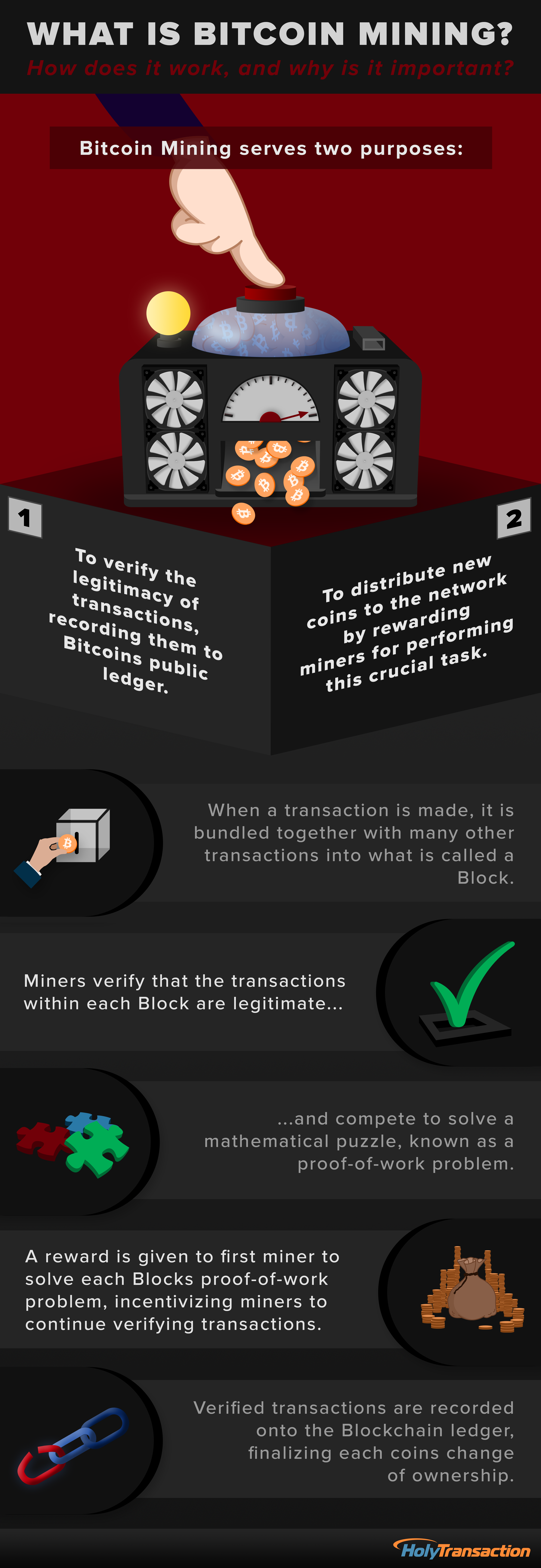
When a miner finds a block, they get a block reward plus the transaction fees associated with transactions in the block.
This article provides an overview of bitcoin's technical structure including the blockchain, nodes, miners, and proof of work mining. Each owner transfers bitcoin to the next by digitally signing a hash of the previous transaction and the public key of the next owner and adding these to the end of the coin. Each transaction has at least one input and one output. This can be done on your computer or via a mobile app. Any change in the structure of information will be reliable only after the transaction is confirmed by the network nodes. The header, the input(s), and the output(s). If you choose bitcoin, then the transaction will consist of 3 parts: A payee can verify the signatures to verify the chain of ownership. In this case, the client generates a new bitcoin address, and sends the difference back to this address. This is known as change. Let's briefly look at the fields available to us in. You can always use the private key to create the. That is why bitcoin is called a cryptocurrency.
It seems that when you send a bitcoin transaction, all the coins in the sending address are spent in that transaction, divided into the amount that you intended to send, and change, which goes back to you, but at another (newly created) receiving address. Each owner transfers bitcoin to the next by digitally signing a hash of the previous transaction and the public key of the next owner and adding these to the end of the coin. A record of your address. For new transactions to be confirmed, they need to be included in a block along with a mathematical proof of work. Bitcoin wallets keep a secret piece of data called a private key or seed, which is used to sign transactions, providing a mathematical proof that they have come from the owner of the wallet.
How A Bitcoin Transaction Works? - Cryptooof from cryptooof.com A deeper look into bitcoin transactions. Bitcoin transaction fees are usually quite inexpensive; The transactions 'signature' means that once the transaction has been issued on the bitcoin blockchain, it is not possible for it to be altered or reversed by any other parties. Each transaction has at least one input and one output. The signature also prevents the transaction from being altered by anybody. The bitcoin network is built on the modern version of a digitized ledger called a distributed ledger. Transferring bitcoin funds from one user to another begins with the submission of a transaction request. Change output is nothing but the remainder amount or the extra amount of satoshi which the spender used in a transaction but is returned back to the spender itself.
It is returned back because they don't wish to pay anything more than the specified amount.
Each transaction has at least one input and one output. When a miner finds a block, they get a block reward plus the transaction fees associated with transactions in the block. This article provides an overview of bitcoin's technical structure including the blockchain, nodes, miners, and proof of work mining. It is returned back because they don't wish to pay anything more than the specified amount. Accounts are used for the convenience of people to track their funds. Your bitcoins are stored in a virtual wallet, which is where your transactions begin and end. Bitcoin miners perform this work because they can earn transaction fees paid by users for faster transaction processing, and newly created bitcoins issued into existence according to a fixed formula. To legitimize and monitor bitcoin transactions, ensuring their validity. A payee can verify the signatures to verify the chain of ownership. Say you want to buy a candy bar ($1) from a store. Each owner transfers bitcoin to the next by digitally signing a hash of the previous transaction and the public key of the next owner and adding these to the end of the coin. Each output then waits as an unspent transaction output (utxo) until a later input spends it. Any incoming funds increase your total account balance, and any outgoing funds decrease it.
Any incoming funds increase your total account balance, and any outgoing funds decrease it. When a user creates a bitcoin transaction, they have to include a transaction fee to be paid to miners to incentivize miners to add their transaction to the blockchain. The average transaction fee at time of writing is just $0.30. Bitcoin is an electronic currency that is exchanged on a bitcoin network. This is primarily used to track the source of funds.
What is Bitcoin Mining? | HolyTransaction from holytransaction.com When your bitcoin wallet tells you that you have a 10,000 satoshi balance, it really means that you have 10,000 satoshis. If you choose bitcoin, then the transaction will consist of 3 parts: However, bitcoin transaction fees, unlike the transaction fees charged by banks and other payment providers, do not have a set percentage rate (e.g. That is why bitcoin is called a cryptocurrency. This article provides an overview of bitcoin's technical structure including the blockchain, nodes, miners, and proof of work mining. Instead of converting radio messages, bitcoin uses cryptography to convert transaction data. The figure above shows the main parts of a bitcoin transaction. It seems that when you send a bitcoin transaction, all the coins in the sending address are spent in that transaction, divided into the amount that you intended to send, and change, which goes back to you, but at another (newly created) receiving address.
Transactions are then 'broadcasted' to the bitcoin network, where they are confirmed by miners.
The bitcoin reward that miners receive is an incentive that motivates people to assist in the primary purpose of mining: Transactions are then 'broadcasted' to the bitcoin network, where they are confirmed by miners. The figure above shows the main parts of a bitcoin transaction. The distributed registry system is a vast number of copies of the database. However, transaction times can vary wildly — and here, we're going to explain why. Bitcoin follows a unspent transaction output (utxo) model. However, bitcoin transaction fees, unlike the transaction fees charged by banks and other payment providers, do not have a set percentage rate (e.g. Instead, bitcoin users set their own transaction fees. A block of bitcoin transactions holds up to 1 mb of transactions, just like digital files. Say you want to buy a candy bar ($1) from a store. It seems that when you send a bitcoin transaction, all the coins in the sending address are spent in that transaction, divided into the amount that you intended to send, and change, which goes back to you, but at another (newly created) receiving address. Let's briefly look at the fields available to us in. Let's understand the mechanics of a real bitcoin transaction.